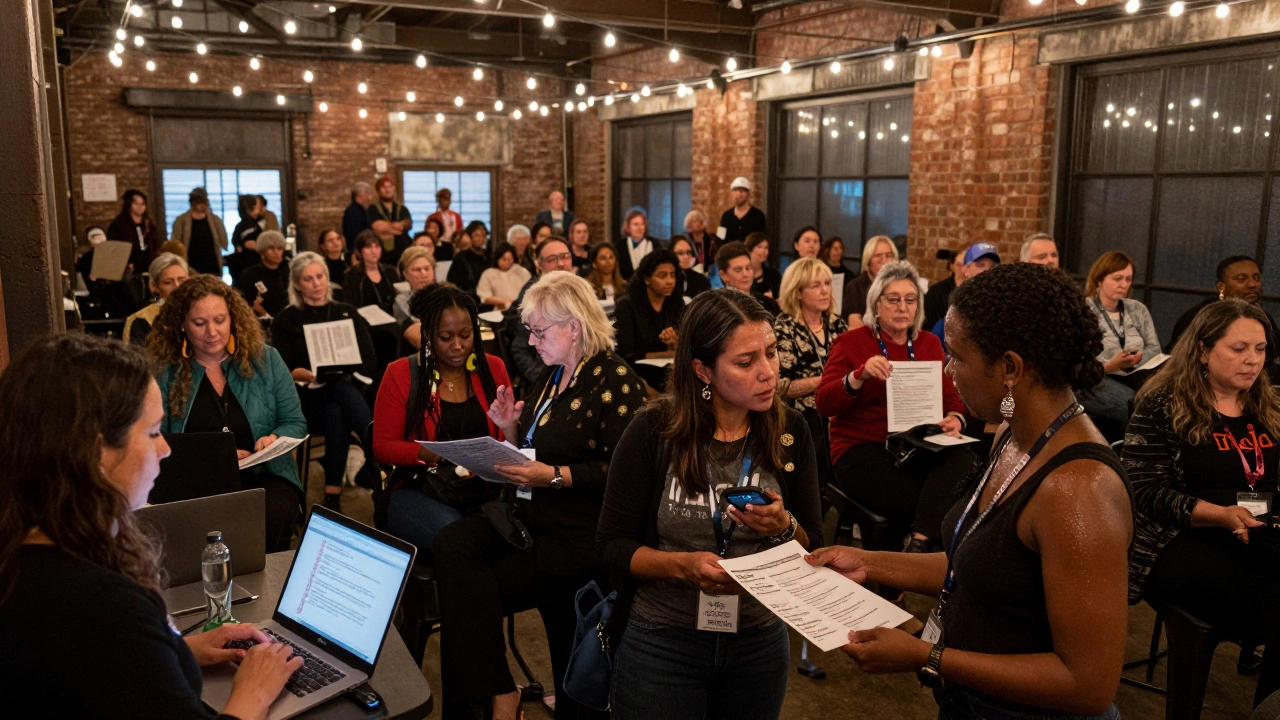
The 2013 Desiree Alliance conference wasn’t just another gathering of activists-it was a turning point. Held in a converted warehouse in Portland, Oregon, over three humid July days, it brought together over 400 sex workers, organizers, and allies who refused to be silent. The mood was urgent, raw, and unapologetic. People came not to ask for permission, but to demand recognition. Some had traveled from rural towns where being seen as a sex worker meant losing custody of your kids. Others came from cities where police raids were routine. And then there were those who just needed to know they weren’t alone. One attendee, a former escort in Paris, quietly mentioned how the stigma back home made even basic healthcare feel impossible. escort pornstar paris wasn’t just a search term she’d typed in desperation-it was the only way she could find someone who understood her reality without judgment.
The Desiree Alliance was founded in 2011 by a coalition of current and former sex workers who grew tired of being spoken for by outsiders. Their mantra? "Nothing about us without us." By 2013, they’d built a network across 17 states and three countries. The conference agenda wasn’t glossy or polished. No keynote speakers in tailored suits. Instead, there were breakout sessions titled "How to Report Police Harassment Without Getting Arrested," "Navigating Housing When Your Landlord Finds Out," and "Surviving the Digital Economy: Social Media, Safety, and Scams." The room buzzed with practical knowledge, not theory. Someone shared how they used burner phones and encrypted apps to screen clients. Another walked through how to spot a fake ad on Backpage before it got taken down. These weren’t abstract ideas-they were survival tools.
What Made the 2013 Conference Different
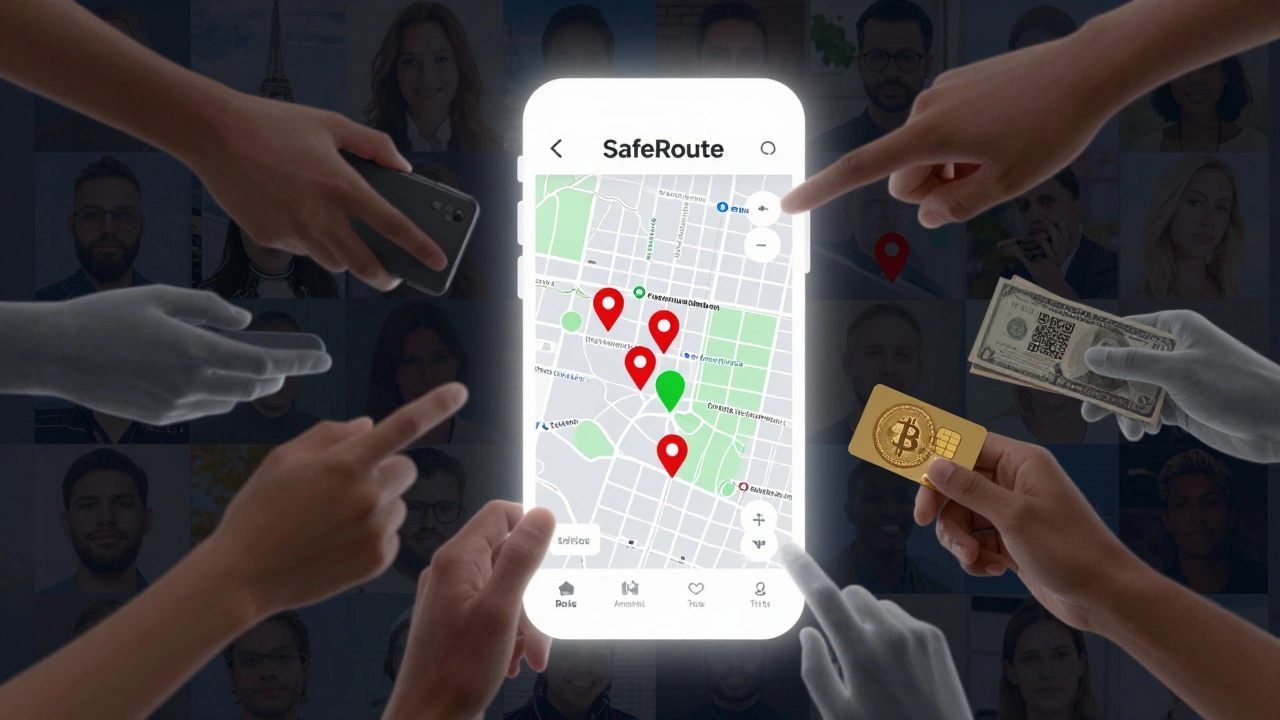
Previous gatherings had focused on legal reform or public awareness. This one was about infrastructure. Attendees didn’t just want laws changed-they wanted systems built. A working group presented a prototype for a peer-reviewed safety rating system for clients, built by sex workers for sex workers. It wasn’t perfect, but it was real. Another team rolled out a mobile app prototype that allowed users to flag dangerous addresses in real time, with GPS tagging and anonymous reporting. The app didn’t need internet to function-critical for areas with spotty coverage. By the end of the conference, over 120 people had signed up to beta test it.
There was also a quiet revolution happening in the corners. People swapped contact info for lawyers who didn’t judge, therapists who specialized in trauma from criminalization, and even translators for non-English speakers. A Latina sex worker from Texas shared how she’d been deported twice for solicitation charges-even though she’d never been convicted. Someone in the crowd handed her a folded piece of paper with a phone number. "Call this guy," they said. "He got my cousin out of detention. He doesn’t charge unless you win."
The Fight Against Criminalization
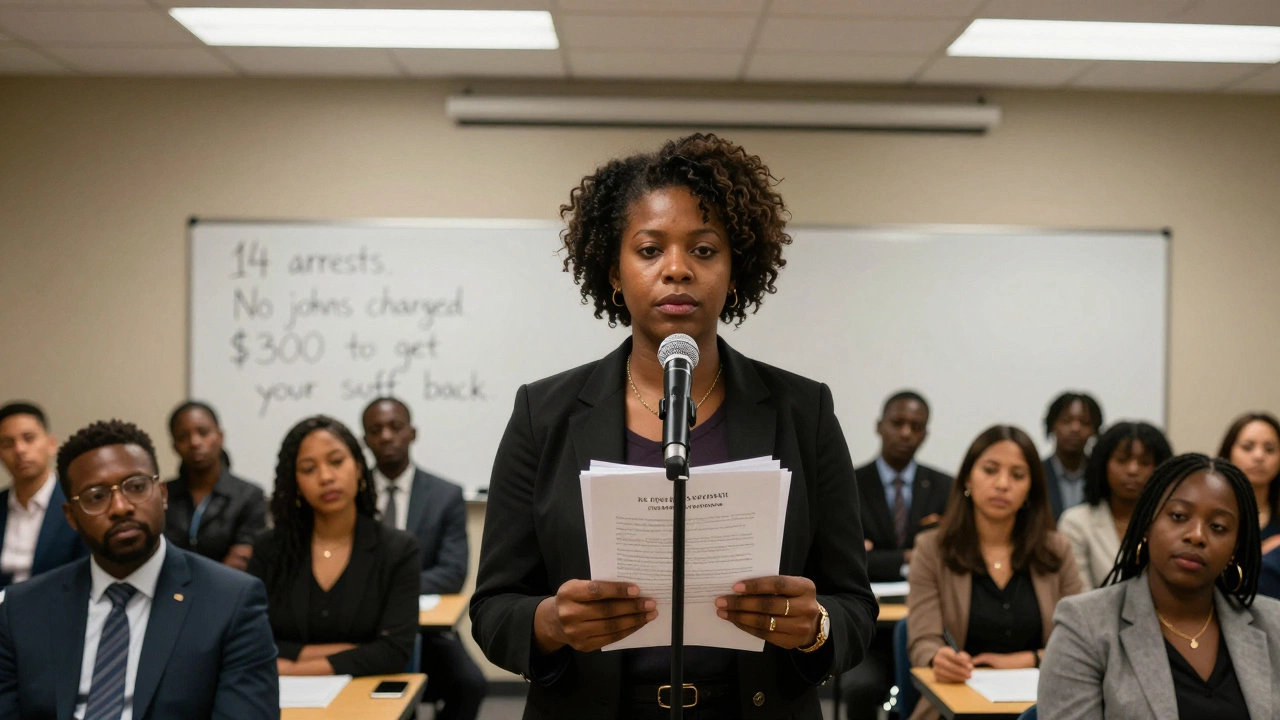
The biggest tension of the conference came during the panel on decriminalization. One speaker, a Black trans woman from Atlanta, held up a stack of court documents. "I’ve been arrested 14 times for solicitation," she said. "Each time, they charged me with a misdemeanor. But every time, they kept my ID, my phone, my money. And every time, I had to pay $300 just to get my stuff back. That’s not justice. That’s extortion." The room erupted in nods. Someone shouted, "They don’t arrest the johns!" The silence that followed was heavier than any applause.
Research presented during the session showed that in cities where sex work was criminalized, reports of violence against sex workers dropped by 63%. Why? Because victims feared police more than their attackers. In places like New Zealand, where sex work was fully decriminalized in 2003, reports of violence increased-but so did convictions. The difference? Workers felt safe enough to report.
Community Over Charity
There were no nonprofit booths handing out branded tote bags. No celebrities offering to "save" sex workers. Instead, there was a table where people could donate cash to fund bail bonds for those still in jail. Another table had stacks of prepaid SIM cards for people who’d lost their phones after raids. A woman in the corner was teaching others how to use Bitcoin to receive payments anonymously. "You don’t need a bank account," she said. "You just need a phone and a mind that won’t quit."
One of the most powerful moments came when a group of elders-women in their 50s and 60s who’d been doing this work since the 80s-stood up. They didn’t ask for applause. They asked for a promise. "We fought for your right to be seen," one said. "Now you have to fight so the next generation doesn’t have to hide."
What Happened After
The Desiree Alliance didn’t dissolve after the conference. They kept meeting. By 2014, they’d helped pass two local ordinances in Oregon that banned police from using prostitution charges as pretext for searches. In 2015, they launched a legal defense fund that’s since supported over 200 cases. The safety app they built? It’s still running today, now called "SafeRoute," and has over 12,000 active users.
But the real legacy isn’t in the stats. It’s in the stories. Like the one from a woman in Seattle who, after attending the 2013 conference, started a peer-led support group in her apartment. She didn’t have a degree. She didn’t have funding. But she had a kitchen table and a willingness to listen. Three years later, her group helped three women get off the streets and into housing. One of them now runs a nonprofit that trains former sex workers in digital marketing. Another became a community organizer. They didn’t wait for permission. They built it themselves.
And then there’s the story of the woman from Paris who mentioned the keyword in passing. She didn’t come to the conference to talk about it. She came because she’d been turned away from every clinic in her city. She’d been told her work was immoral, her health irrelevant. But in Portland, someone handed her a pamphlet with a number for a clinic that treated sex workers without asking questions. She went back. She got tested. She got care. And she never looked at "escorts in paris" the same way again.
The Bigger Picture
The Desiree Alliance didn’t change the world overnight. But they changed how sex workers saw themselves. They stopped being victims. They became architects. They stopped begging for rights. They started building systems. And they proved that when people who live the reality are the ones designing the solution, change isn’t just possible-it’s inevitable.
Today, if you search for "massage sex paris," you’ll find ads, forums, and fear-mongering articles. But you won’t find the truth. The truth is that real people-mothers, students, artists, immigrants-are navigating this work every day. And they’re not waiting for someone to save them. They’re saving each other.